Physician Loan Consolidation: Managing Medical School Debt
Are you a recent medical school graduate drowning in student loan debt? Don’t worry, you’re not alone. Many physicians struggle to manage their finances after years of investing in their education. Fortunately, there is a solution – physician loan consolidation. By consolidating your medical school debt, you can streamline your payments, lower your interest rates, and potentially save thousands of dollars in the long run. Let’s explore how physician loan consolidation can help you take control of your financial future.
Benefits of Physician Loan Consolidation
Physician Loan Consolidation is a financial tool that can be extremely beneficial for medical professionals who are carrying a significant amount of student loan debt. One of the main advantages of consolidating your loans as a physician is the ability to simplify the repayment process. Instead of keeping track of multiple loan payments with different interest rates, terms, and due dates, consolidation allows you to combine all of your loans into one single loan with one monthly payment.
By consolidating your loans, you may also be able to secure a lower interest rate than what you are currently paying on your individual loans. This can result in significant savings over the life of the loan, allowing you to pay off your debt faster and more affordably. Additionally, consolidating your loans can potentially lower your monthly payment, giving you more breathing room in your budget and reducing financial stress.
Another benefit of physician loan consolidation is the opportunity to switch from a variable interest rate to a fixed interest rate. This can provide stability in your monthly payments and protect you from unexpected interest rate hikes in the future. Knowing exactly how much you need to budget for each month can help you plan your finances more effectively and avoid any surprises in your loan payments.
Consolidating your loans can also make you eligible for different repayment options, such as income-driven repayment plans or loan forgiveness programs. These options can help you better manage your debt and tailor your repayment plan to your income level and financial goals. By exploring these alternative repayment options, you can potentially save even more money and pay off your loans more efficiently.
Furthermore, physician loan consolidation can help you improve your credit score by simplifying your debt and making it easier to stay current on your payments. Consistently making on-time payments on a consolidated loan can positively impact your credit history and demonstrate responsible financial behavior to lenders. This can be especially beneficial if you are looking to make other large purchases, such as a home or a car, in the future.
In conclusion, physician loan consolidation offers a range of benefits for medical professionals looking to simplify their debt and save money on their student loans. By streamlining your payments, lowering your interest rate, and exploring alternative repayment options, you can take control of your financial future and pave the way towards a debt-free life.
How Physician Loan Consolidation Works
Physician loan consolidation is a program designed to help doctors manage their medical school debts more effectively. It works by combining multiple loans into one loan with a fixed interest rate, making it easier for physicians to keep track of their monthly payments and potentially save money on interest over time. Here’s how the process typically works:
1. Evaluate your current loans: The first step in physician loan consolidation is to gather information about all of your existing medical school loans. This includes the loan amounts, interest rates, and repayment terms. By understanding the details of each loan, you can determine the best strategy for consolidating them.
2. Choose a consolidation lender: Once you have a clear picture of your current loans, you can begin shopping around for a consolidation lender. Many financial institutions offer physician loan consolidation programs specifically designed for medical professionals. Compare interest rates, repayment terms, and customer reviews to find the best fit for your financial situation.
3. Apply for consolidation: The next step is to formally apply for loan consolidation with your chosen lender. This typically involves filling out an application, providing documentation of your current loans, and undergoing a credit check. The lender will use this information to determine your eligibility for consolidation and offer you a new loan with a fixed interest rate.
4. Consolidate your loans: Once you have been approved for consolidation, the lender will pay off your existing medical school loans and issue you a new loan to cover the total amount. This new loan will have a fixed interest rate and repayment term, simplifying your monthly payments and potentially lowering your overall interest costs.
5. Make monthly payments: After consolidating your loans, you will make monthly payments to the new lender according to the terms of the consolidation agreement. It’s important to stay on top of your payments to avoid defaulting on the loan and damaging your credit score. If you experience financial hardship, some consolidation lenders offer flexible repayment options to help you stay on track.
6. Monitor your progress: As you make payments on your consolidated loan, be sure to monitor your progress towards paying off your medical school debts. Keep track of your remaining balance, interest rate, and repayment term to ensure that you’re on track to becoming debt-free. If you have any questions or concerns about your consolidation loan, don’t hesitate to reach out to your lender for assistance.
Overall, physician loan consolidation can be a valuable tool for doctors looking to simplify their loan payments and save money on interest over time. By understanding how the process works and taking proactive steps to consolidate your loans, you can take control of your medical school debts and focus on building a successful career in medicine.
Eligibility Criteria for Physician Loan Consolidation
Physician loan consolidation is a great option for doctors looking to simplify their student loan payments and potentially lower their interest rates. However, not all physicians may be eligible for this type of loan consolidation. Here are some key eligibility criteria to consider:
1. Medical Degree: In order to qualify for physician loan consolidation, you must have completed a medical degree from an accredited institution. This is typically a requirement as these types of loan consolidation programs are specifically designed for medical professionals.
2. Employment Status: Most physician loan consolidation programs require that you be employed as a practicing physician. This is because these types of loans are tailored to the unique financial situations of doctors, who often have high levels of student loan debt relative to their income. Some programs may also require a minimum number of years of practice as a physician.
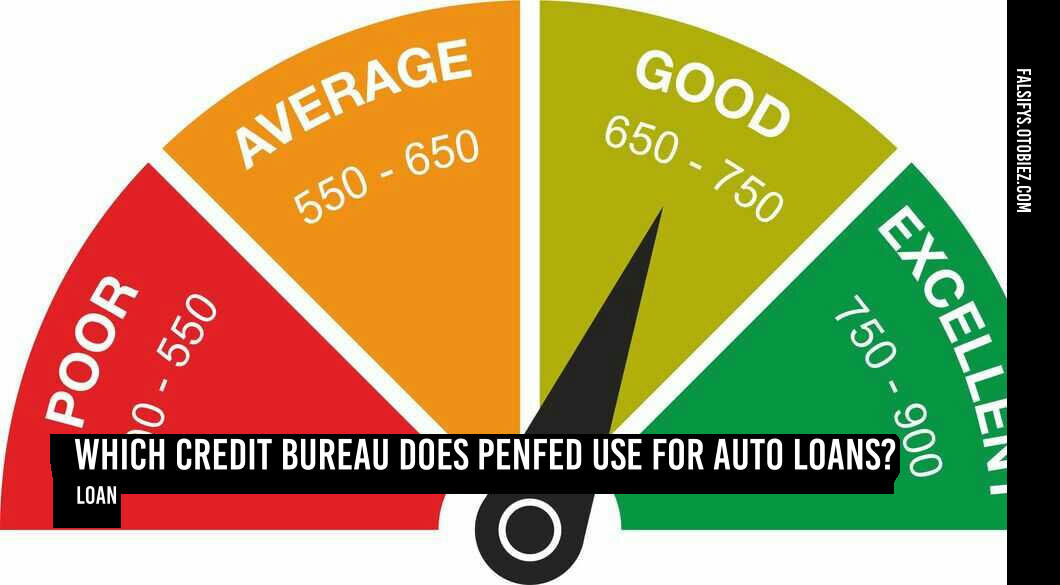
3. Good Credit Score: While some physician loan consolidation programs may be more lenient with credit score requirements compared to traditional loan consolidation options, having a good credit score can increase your chances of qualifying for better interest rates and terms. A credit score of 700 or above is generally considered to be good, but requirements may vary depending on the lender.
4. Types of Loans: Physician loan consolidation programs typically only accept certain types of loans for consolidation. These may include federal student loans, private student loans, and other types of medical school debt. It’s important to check with the specific program you are interested in to determine if your loans are eligible for consolidation.
5. Citizenship or Residency Status: Some physician loan consolidation programs may have specific requirements regarding citizenship or residency status. It’s important to verify whether you meet these requirements before applying for consolidation.
6. Income Verification: Since physician loan consolidation programs are designed to help doctors manage their student loan debt in light of their potentially high earning potential, some programs may require income verification as part of the application process. This may involve providing documentation of your annual income as a practicing physician.
By ensuring that you meet these eligibility criteria, you can increase your chances of qualifying for physician loan consolidation and potentially benefit from lower interest rates and more manageable loan payments. Be sure to research different programs and lenders to find the best option for your financial needs and goals as a physician.
Choosing the Right Lender for Physician Loan Consolidation
When it comes to consolidating your physician loans, choosing the right lender is crucial for ensuring that you get the best deal possible. With so many lenders to choose from, it can be overwhelming to find the perfect fit for your financial needs. Here are some tips to help you select the right lender for physician loan consolidation:
1. Research Multiple Lenders: Before making a decision, take the time to research multiple lenders and compare their rates, terms, and fees. Look for lenders that specialize in physician loan consolidation and have experience working with healthcare professionals. Consider reaching out to your colleagues or professional networks for recommendations on reputable lenders.
2. Check for Competitive Rates: One of the key factors to consider when choosing a lender is the interest rate they offer. Make sure to compare rates from different lenders to ensure you are getting a competitive rate. A lower interest rate can save you thousands of dollars over the life of your loan.
3. Consider Loan Terms and Repayment Options: In addition to interest rates, consider the loan terms and repayment options offered by each lender. Look for a lender that offers flexible repayment options, such as income-driven repayment plans or the ability to defer payments during residency or fellowship.
4. Evaluate Customer Service and Support: When selecting a lender for physician loan consolidation, customer service and support are important factors to consider. Look for a lender that provides excellent customer service and support throughout the loan consolidation process. Consider reading reviews and testimonials from other borrowers to gauge the level of service provided by the lender.
5. Review Fees and Costs: Before committing to a lender, make sure to review all fees and costs associated with the loan consolidation process. Some lenders may charge origination fees, prepayment penalties, or other costs that can add up over time. It’s important to understand all the fees involved to avoid any surprises down the road.
6. Look for Additional Benefits: Some lenders may offer additional benefits to healthcare professionals, such as loan forgiveness programs or career development resources. These additional benefits can help you save money and advance your career in the long run. Consider asking potential lenders about any special programs or benefits they offer to physicians.
By following these tips and carefully evaluating your options, you can choose the right lender for physician loan consolidation that meets your financial needs and helps you achieve your goals. Remember to take your time, compare different lenders, and ask questions to ensure you are making an informed decision.
Tips for Successfully Managing Physician Loan Consolidation
Physician Loan Consolidation can be a crucial step in managing your debt and finances as a medical professional. Here are some tips to help you successfully navigate the process:
1. Create a Budget: Before you begin the consolidation process, it is important to have a clear understanding of your current financial situation. Take the time to create a detailed budget that outlines your monthly income and expenses. This will help you determine how much you can comfortably afford to pay towards your consolidated loan each month.
2. Explore Your Options: There are a variety of loan consolidation programs available for physicians, so take the time to research and compare the different options. Look for programs that offer competitive interest rates, flexible repayment terms, and any potential benefits or perks for medical professionals.
3. Consider Professional Assistance: Managing your finances as a physician can be complex, so don’t hesitate to seek professional assistance if needed. Financial advisors who specialize in working with medical professionals can provide valuable guidance and support throughout the loan consolidation process.
4. Stay Organized: Keeping track of your loan consolidation paperwork and repayment schedule is essential for successfully managing your debt. Create a system for organizing your documents and set reminders for when your payments are due. This will help you stay on top of your finances and avoid any missed payments or late fees.
5. Prioritize Student Loan Debt: As a physician, student loan debt is likely a significant part of your financial obligations. When considering loan consolidation, prioritize your student loans and focus on finding a program that can help you better manage this debt. Look for options that offer favorable terms and benefits specifically for student loan consolidation.
6. Communicate with Your Lenders: If you encounter any difficulties or changes in your financial situation, don’t hesitate to communicate with your lenders. They may be able to offer solutions such as adjusting your repayment plan or providing temporary relief if needed. Keeping an open line of communication can help you navigate any challenges that arise during the loan consolidation process.
7. Monitor Your Progress: Regularly review your financial situation and track your progress towards paying off your consolidated loan. Adjust your budget and repayment plan as needed to ensure that you stay on track towards becoming debt-free. Celebrate small milestones along the way to stay motivated and focused on your financial goals.
By following these tips and staying proactive in managing your finances, you can successfully navigate the physician loan consolidation process and take control of your debt as a medical professional.